In the tribune Zone Expos
Project Peanut: Who's Behind the New Bid to Bring the Expos Back?
13 sept. 2026 · 101 vues
Project Peanut is not being led by an anonymous group that suddenly appeared with the idea of bringing the Expos back to Montreal. The face of the project is Ashkan Karbasfrooshan, a Montreal entrepreneur and founder of WatchMojo, a company specializing in the creation and distribution of digital content.
His objective is to gather the capital, expertise and partners necessary to eventually present a credible and structured Montreal bid to MLB.
However, an important distinction must be kept in mind: Montreal has not obtained a franchise and MLB has not yet launched an official process allowing Project Peanut to submit a bid. The project is therefore working to put the different pieces in place before this step can even begin.
This includes investors, management team, financing, real estate development and, now, the search for a site for a potential stadium.
Ashkan Karbasfrooshan, at the Origin of the Project
Ashkan Karbasfrooshan is best known as founder and leader of WatchMojo, one of the most successful Montreal companies in the digital video space.
His background is very different from that of a traditional sports owner. He comes from the world of entrepreneurship, media, content and digital monetization rather than directly from professional baseball.
This experience strongly influences the way he envisions the return of the Expos.
For Karbasfrooshan, the project is not limited to buying a franchise and building a stadium. Instead, he envisions a much broader package combining sports, media, technology, culture, entertainment and real estate development.
His experience with WatchMojo can notably serve the development of the brand, the creation and distribution of content, the exploitation of digital platforms, the development of an international community and the search for commercial partners.
Karbasfrooshan acknowledges, however, that he does not personally have the billions necessary to finance an MLB franchise on his own. His role is more that of an initiator: structuring the project, bringing together the right people and attracting enough capital so that a Montreal bid can eventually be taken seriously.
He claims to have had discussions with different types of investors, including wealthy entrepreneurs, family offices, private equity firms and people already active in the professional sports industry.
He has even reported approximately 7 billion US dollars in non-binding letters of interest from private equity firms. The term is important: these are not 7 billion dollars already invested or committed to a future franchise, but rather an indication of the financial interest the project has managed to generate.
Dan Evans Brings Baseball Expertise
Among the people associated with Project Peanut, Dan Evans brings particularly important expertise.
Evans has several decades of experience in professional baseball. He notably served as General Manager of the Los Angeles Dodgers and worked within other MLB organizations.
His involvement with the project allows filling an obvious weakness that an initiative led solely by entrepreneurs and investors would have: understanding from the inside how a major league baseball organization operates.
A franchise is obviously not limited to finding owners and filling a stadium. It must establish baseball management, scouting, player development, operations, data analysis and an entire structure to build a competitive team over the long term.
This is precisely the type of experience Evans can provide.
Karbasfrooshan therefore brings an entrepreneurial, media and financial vision, while Evans represents more the baseball side of the equation.
His presence obviously does not mean Montreal is automatically closer to getting a franchise. However, it shows that Project Peanut is seeking to surround itself with people who truly understand the industry it wishes to enter.
Dan Ventrelle for the Business Side
Dan Ventrelle is another name associated with the project, this time for the administrative and commercial side of a potential organization.
His experience comes primarily from the NFL, where he has held various management positions. His profile is therefore complementary to that of Dan Evans.
Evans knows the construction and operation of a baseball organization. Ventrelle brings rather experience related to managing a professional sports franchise, commercial operations and administration.
This combination is important when considering the current value of North American sports franchises. A future Montreal team would be both a sports organization and a company worth several billion dollars.
It would therefore need management capable of building a competitive team on the field, but also people capable of managing revenues, partnerships, sponsorships, operations and the entire commercial structure surrounding the franchise.
Since the definitive structure of Project Peanut has not yet been established, caution must remain regarding the exact functions that Ventrelle or other collaborators would eventually occupy.
Who Are the Investors?
That remains the big unknown in the file.
Karbasfrooshan claims to have generated interest from several sources of capital and to have discussed with private investors, wealthy families, private equity firms and various players in the financial world.
But interest does not necessarily mean commitment.
There is a considerable difference between a conversation with an investor, a letter of interest, a memorandum of understanding and a firm commitment of hundreds of millions of dollars.
An investor can very well be interested in the return of baseball to Montreal while conditioning his participation to several elements: obtaining a franchise, approval of a stadium, the value set by MLB, the location of the project or the proposed ownership structure.
For now, the identity of the main investors who would become owners of a potential franchise has not been publicly revealed.
Karbasfrooshan appears to be seeking to build a group bringing together several types of partners: one or more primary investors, wealthy Montreal families, private and institutional capital, people already with experience in professional sports as well as partners specialized in real estate and infrastructure.
The idea would be to maintain a Montreal anchor while having access to sufficient international capital to support a bid of this scale.
The Search for Land Has Now Begun
One element has recently advanced the file: Project Peanut is now officially searching for land.
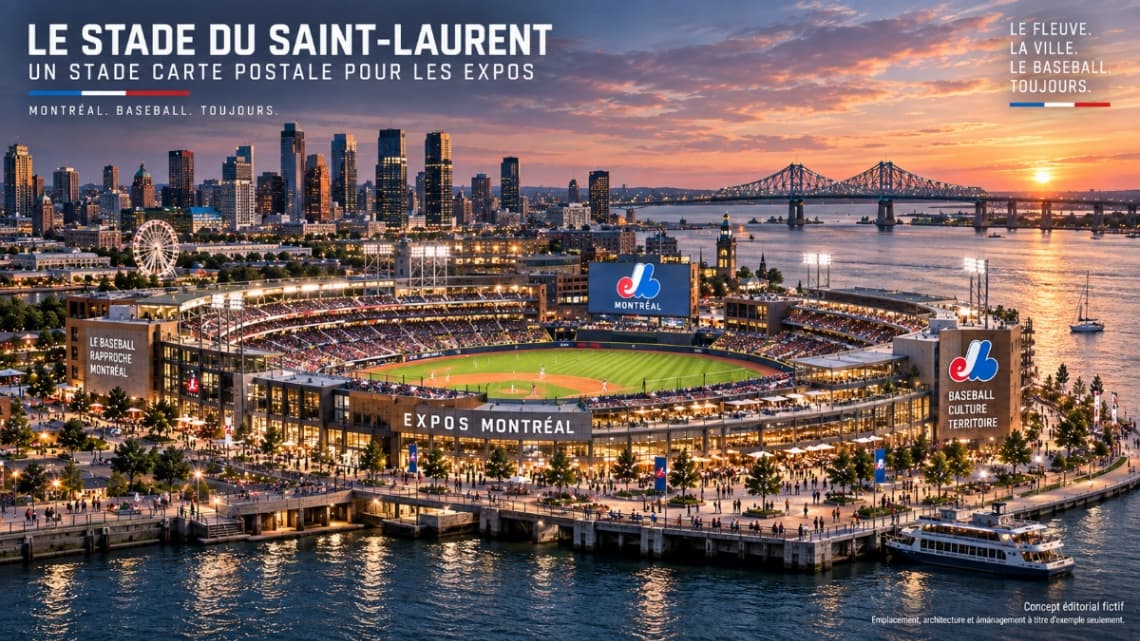
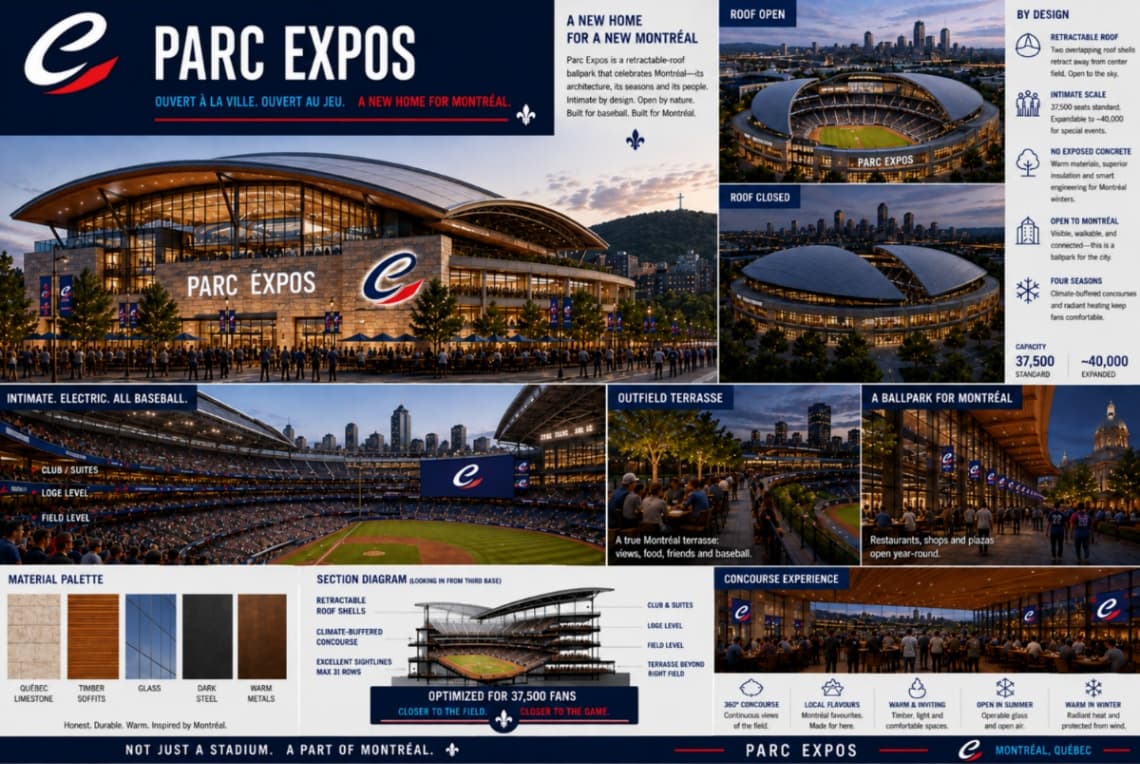
In September 2026, the group published a request for land proposals aimed at identifying potential sites in Greater Montreal to host a major league baseball stadium and mixed-use real estate development.
This does not mean a location has been chosen nor that a stadium will be built. The initiative is presented as preliminary and non-binding.
It nevertheless represents a concrete step: the project is now attempting to transform a reflection on the return of the Expos into real estate scenarios that can be studied and analyzed.
The choice of land will likely be one of the most determining elements of any possible bid. A modern baseball stadium requires not only sufficient space, but also excellent accessibility, transportation infrastructure and, in the model envisioned by Project Peanut, the ability to develop an entire district around the stadium.
A Group That Still Has to Prove Itself
Project Peanut is therefore neither an MLB franchise nor yet an official bid.
Rather, it is a project under construction, launched by a Montreal entrepreneur who is trying to gather the capital, leaders, land and partners necessary before a real expansion opportunity presents itself.
Several major steps remain to be taken: confirming primary investors, establishing the ownership structure, selecting land, developing a real stadium project, obtaining necessary approvals, demonstrating the financial viability of the Montreal market and, most importantly, convincing MLB that Montreal deserves one of its next franchises.
For now, Ashkan Karbasfrooshan remains the face and driving force of Project Peanut. Dan Evans brings him expertise directly related to professional baseball, while Dan Ventrelle can contribute to the administrative and commercial side of a potential organization.
The investors who will actually provide the necessary capital remain the most important piece still unknown.
Project Peanut is therefore much more than a simple nostalgic movement calling for the return of the Expos. It is beginning to bring together some of the elements necessary for a genuine bid.
But the difference between an ambitious project and an MLB franchise remains immense. The next step will be to demonstrate that Montreal can simultaneously bring together three things that have long been missing from previous projects: owners with sufficient capital, a feasible stadium project and a strategy capable of convincing current MLB owners.